Sunscreen is one of the most essential skincare products, yet many people don’t fully understand how it protects our skin. Using an ultraviolet (UV) camera, we can actually see sunscreen at work—but why does it appear dark or light? And how does it shield us from harmful rays?
Understanding UV Radiation: UVA, UVB & UVC
Sunlight contains three types of ultraviolet radiation:
🌞 UVA (95% of UV reaching Earth)
Penetrates deep into the skin
Causes premature aging, wrinkles, and long-term DNA damage
Present even on cloudy days
🔥 UVB (5% of UV rays)
Responsible for sunburn
Directly damages skin cells’ DNA
Strongest between 10 AM – 4 PM
☢️ UVC (Blocked by the ozone layer)
Extremely harmful—used to sterilize hospitals
Thankfully, it doesn’t reach Earth’s surface
Why does this matter? Both UVA and UVB can cause mutations in skin cells, leading to premature aging and increasing the risk of skin cancer. That’s why daily sunscreen is non-negotiable!
How Sunscreen Works: Chemical vs. Mineral
🧪 Chemical Sunscreen
How it works: Absorbs UV rays and converts them into heat.
What it looks like under UV camera: Dark patches (because it absorbs UV light).
Pros: Lightweight, no white cast.
Cons: Can irritate sensitive skin.
⛏️ Mineral (Physical) Sunscreen
How it works: Reflects and scatters UV rays.
Key ingredients: Zinc oxide, titanium dioxide.
What it looks like under UV camera: Lighter areas (because it reflects UV).
Pros: Gentle, works immediately.
Cons: Can leave a slight white cast.
Fun Fact: Some animals (like birds and bees) can naturally see UV light—so they’d never miss a spot when applying sunscreen!
Melanin: Nature’s Sunscreen (But Not Enough)
Melanin is our skin’s natural defense against UV rays: ✔ Absorbs UV light to protect DNA in skin cells. ✔ Provides a natural SPF of 2-4 (very low protection). ✔ Increases with sun exposure (tanning = sign of skin damage).
Why You Still Need Sunscreen: Even dark skin tones need protection—melanin alone can’t block all UV damage, which leads to:
Hyperpigmentation
Premature aging
Increased skin cancer risk
Choosing the Right Sunscreen for You
✔ For daily wear: Lightweight chemical sunscreen (no white cast). ✔ For sensitive skin: Mineral sunscreen (gentler, less irritation). ✔ For outdoor activities: Water-resistant, broad-spectrum SPF 50+.
Pro Tip: Reapply every 2 hours for full protection!
Final Thoughts: Sunscreen is a Must!
Whether chemical or mineral, sunscreen is your best defense against UV damage. Don’t skip it—your future skin will thank you!
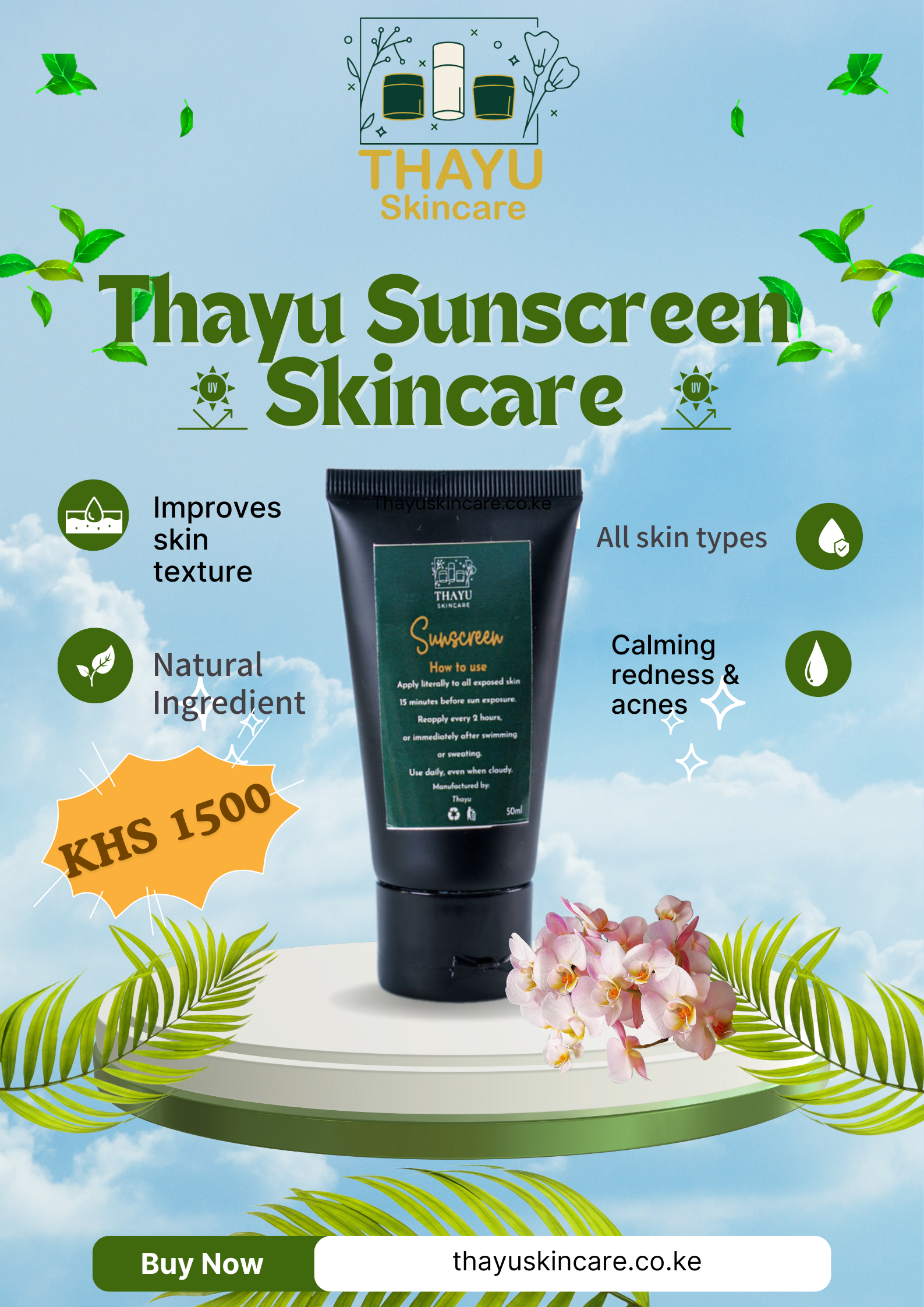
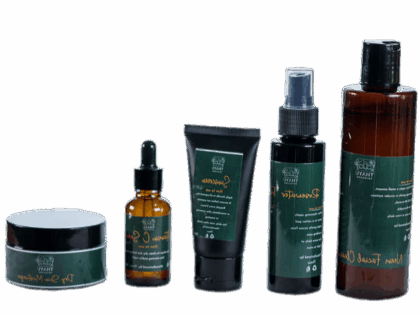
Need a sunscreen recommendation? Try our Thayu Solar Defense SPF 50+—no white cast, perfect for melanin-rich skin!